Studio Lighting for Beginners
Demystifying the Strobe
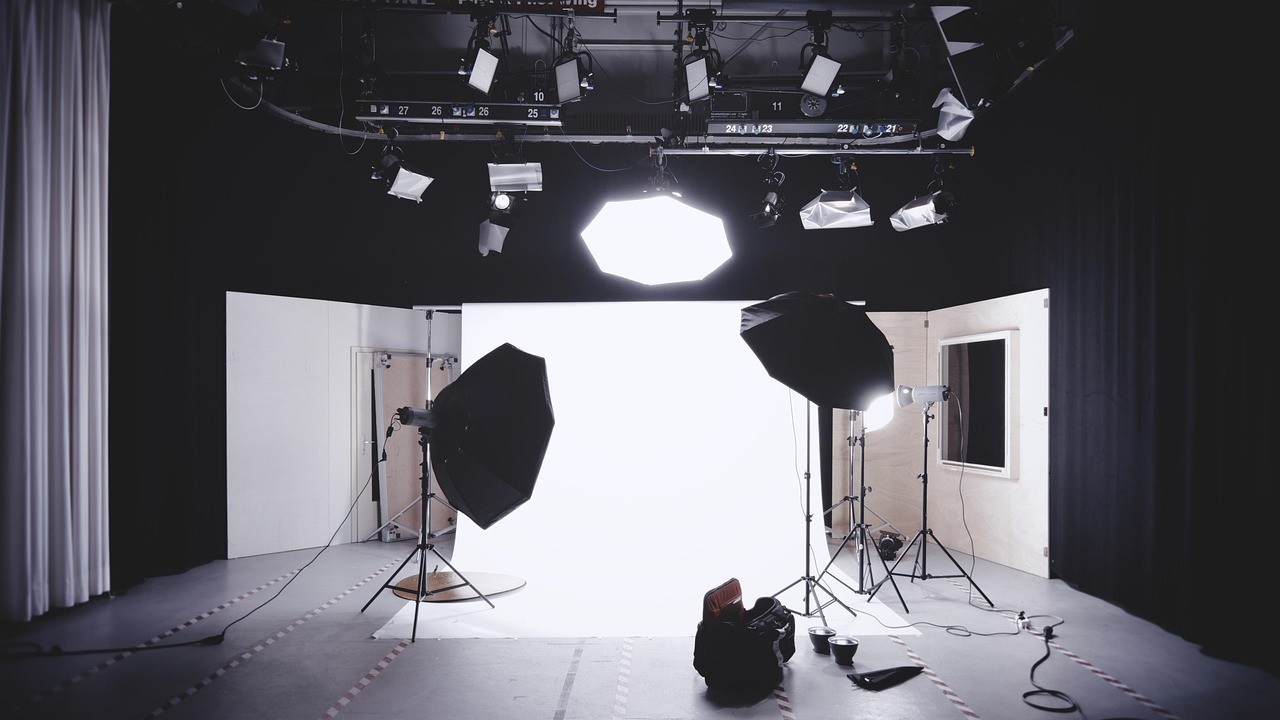
Walking into a photography studio can feel like entering a spaceship. Stands, softboxes, octaboxes, grids, snoots, and triggers. It’s intimidating. But here is the secret: It's all just mimicking the sun.
Studio lighting gives you the one thing nature cannot: total control. You decide the direction, intensity, and color of the light.
The "One Light" Masterclass
You don't need five lights. In fact, learning with just one light is the best way to start.
Rembrandt Lighting: This is the classic, dramatic portrait look used by the Dutch masters.
Setup: Place your light 45 degrees to the side of the subject and slightly above their eye level.
The Sign: Look for the small triangle of light on the shadowed cheek (under the eye). If you see that triangle, you nailed it.
Hard Light vs. Soft Light
The "hardness" of light is determined by the size of the light source relative to the subject.
Soft Light: Large source (like a giant softbox or umbrella) close to the subject. The shadows are gradual and flattering. Great for beauty and standard portraits.
Hard Light: Small source (like a bare bulb or snoot) far from the subject. The shadows are sharp and defined. Great for edgy, dramatic, or athletic portraits.
Essential Gear for Home Studios
Speedlight / Strobe | The light source itself. A cheap manual speedlight ($60) is fine to start. |
Trigger | Allows your camera to fire the flash off-camera wirelessly. |
Modifier | A white shoot-through umbrella or a 24" softbox is the most versatile starter modifier. |
Conclusion
Don't let the gear scare you. Start with one light. Move it around. See how moving it six inches changes the shadows on a face. Once you master the shadows, you master the studio.