The Appetizing Art of Food Photography
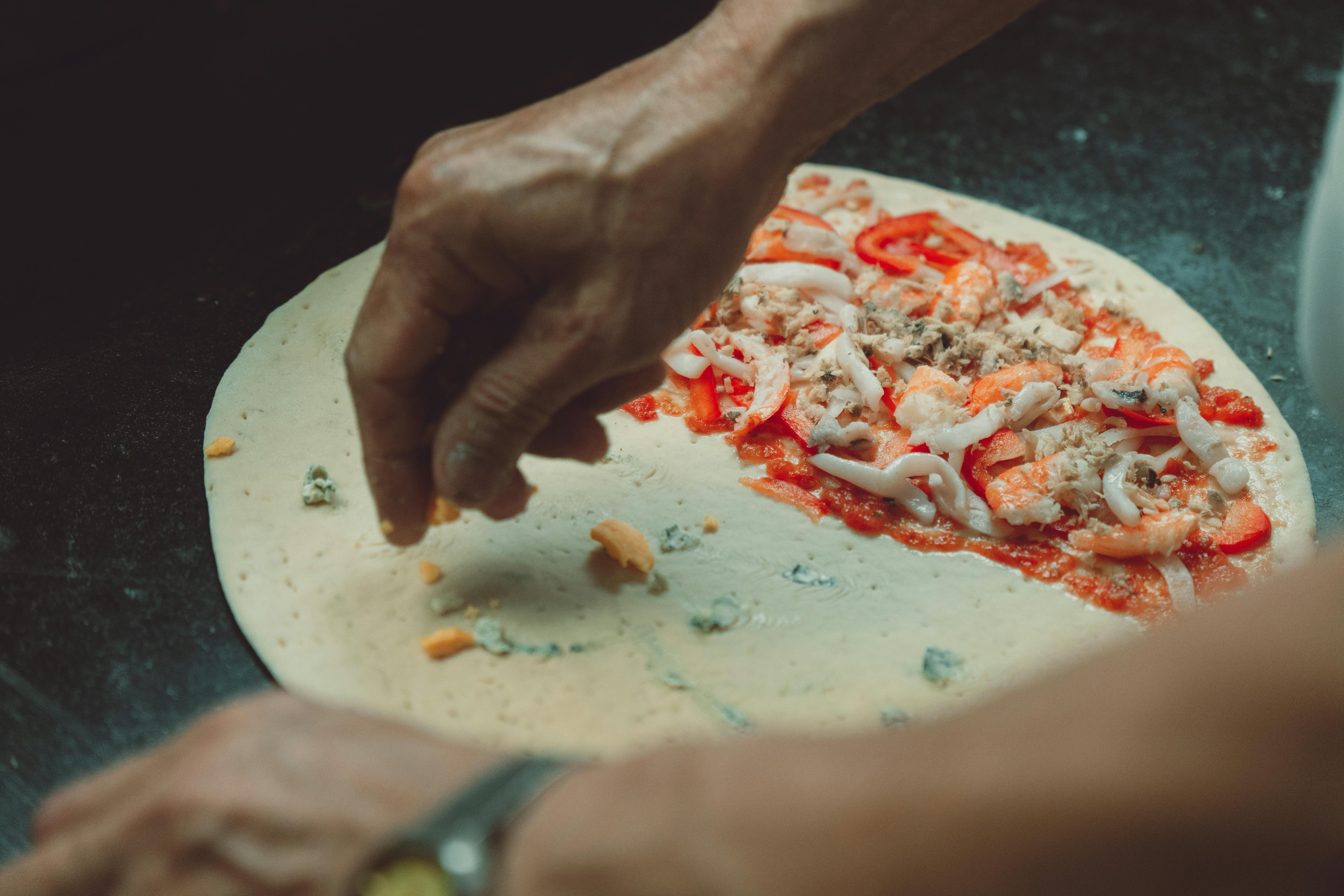
We Eat with Our Eyes First
Scroll through Instagram, and you will see that food photography is a universal language. But there is a big difference between a snapshot of your lunch and a professional food image. The goal is simple: Make the viewer hungry.
Great food photography appeals to the senses. It captures the steam rising from coffee, the glistening glaze on a donut, the crunch of fresh lettuce.
Lighting: The Golden Rule
Never, ever use the direct, on-camera flash. It flattens the food and makes it look greasy and unappetizing.
Backlighting / Side Lighting: Position the food so the window light comes from behind or the side. This creates shadows that reveal the texture of the bread crust or the grain of the meat.
Diffusion: Direct sunlight is too harsh. Hang a thin white curtain or use a diffuser to soften the light. Think "cloudy day" light.
Styling the Scene
Food doesn't exist in a vacuum. You are telling a story about a meal.
Props: Use matte plates (shiny plates reflect the camera). Add vintage cutlery, a linen napkin, or scattered ingredients (flour, crumbs, herbs) to make the scene feel lived-in and messy-chic.
The Hero Angle:
Flat Lay (Overhead): Great for bowls, organized tables, and graphic compositions.
45-Degree: The "Diner's Eye" view. Great for almost everything.
Eye Level: Best for tall foods like burgers or stack of pancakes to show the layers.
Conclusion
Food photography is accessible to everyone. You don't need a studio; you just need a window and a plate. Pay attention to the light, add some texture, and don't forget to eat your subject when you're done.