Astrophotography: Shooting the Milky Way
Capturing the Galaxy
There is a profound magic in standing alone in the dark, pointing your camera at the sky, and seeing a universe appear on your LCD screen that your eyes couldn't fully register. Astrophotography is technically demanding, but the reward is capturing the infinite.
Escaping the Light
The enemy of stars is light pollution. You cannot shoot the Milky Way from the suburbs.
Find Dark Skies: Use tools like "Dark Site Finder" or "Light Pollution Map" to find a location with a Bortle Class rating of 4 or lower.
The Moon Phase: A full moon is a giant lightbulb in the sky that will wash out the stars. Plan your shoot during the "New Moon" phase for the darkest skies.
The 500 Rule
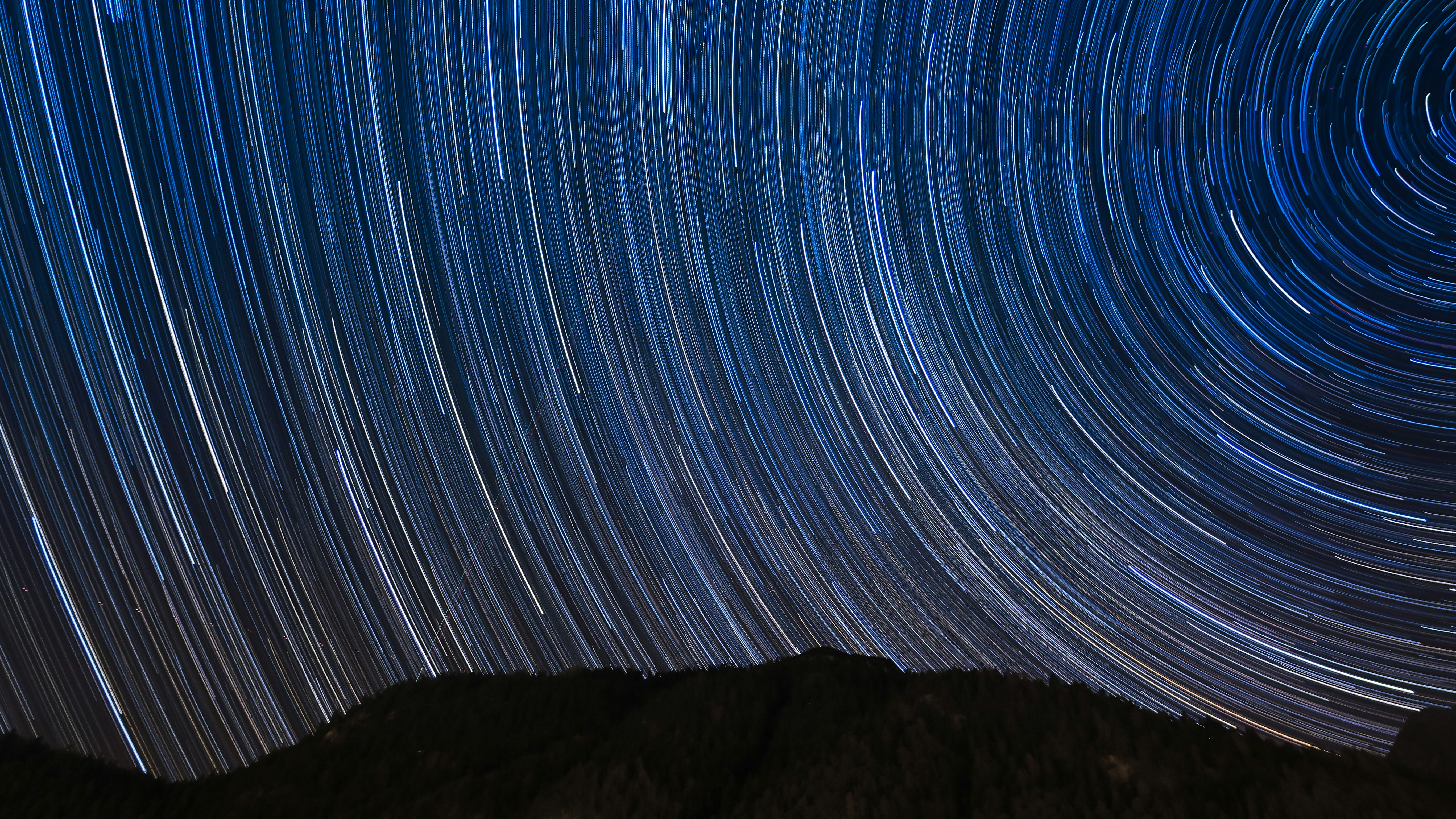
The Earth is rotating. If you leave your shutter open too long, the stars will turn from sharp points into blurry trails.
The Formula: 500 divided by your Focal Length = Max Shutter Speed.
Example: If you are using a 20mm lens: 500 / 20 = 25 seconds. You can leave your shutter open for 25 seconds before trails appear.
Settings Checklist
Focus | Manual | Autofocus won't work in the dark. Focus on a bright star or distant light using Live View, then don't touch it. |
Aperture | Widest Possible (f/2.8) | You need to gather every photon of light available. |
ISO | 3200 – 6400 | Yes, it will be grainy. But you need the sensitivity to see the galactic core. |
Conclusion
Astrophotography is a mix of science and art. It reminds us of our place in the universe. Bring a tripod, bring a headlamp (with a red light mode to save your night vision), and bring warm clothes. The galaxy awaits.