The Drama of Black and White Architecture
Stripping Away the Distraction
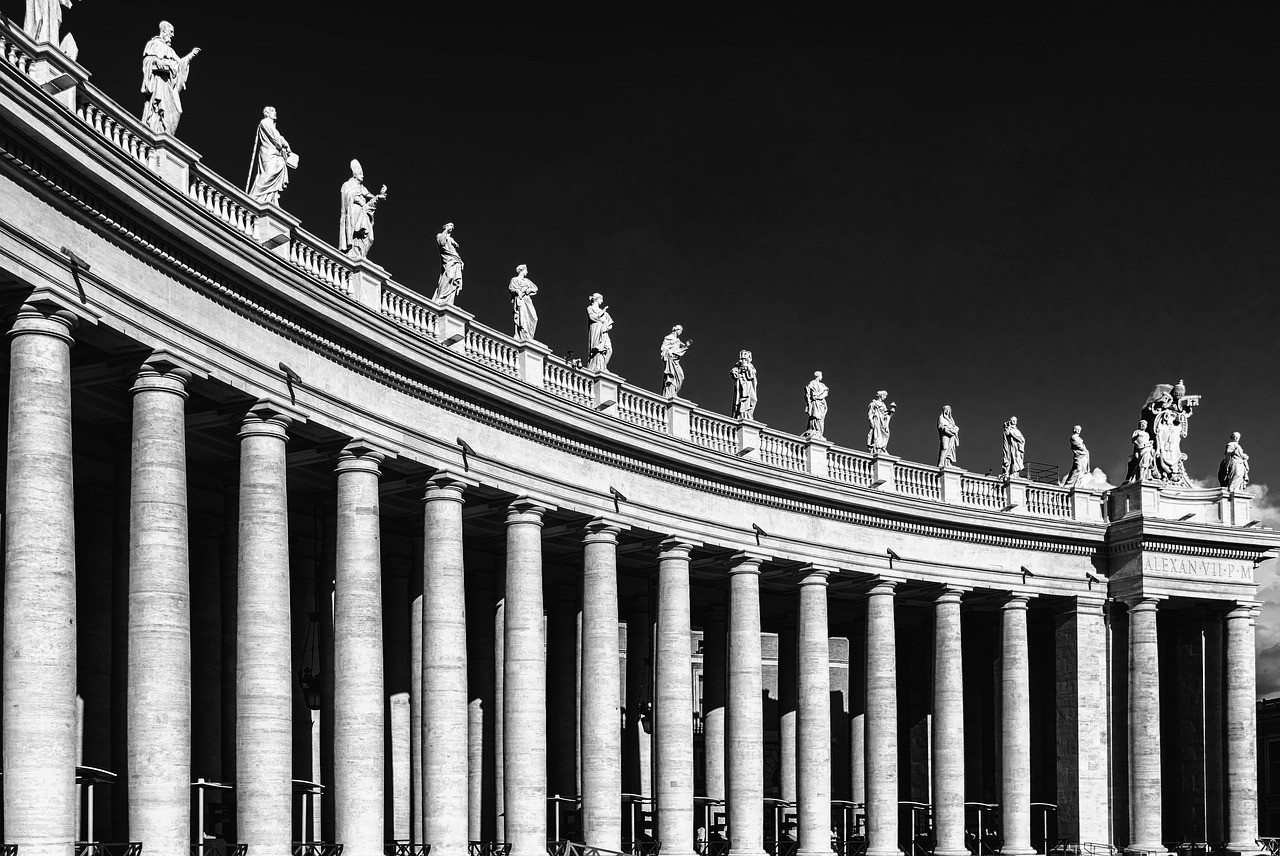
Architecture is the art of line, form, and geometry. Photography is the art of light. When you combine them in black and white, magic happens. By removing color, you strip away the distractions of reality and are left with the pure essence of the structure.
Looking for Contrast and Shape
When shooting for B&W, you have to learn to "see" in monochrome. Ignore the red brick or the blue sky. Instead, look for:
Contrast: Harsh sunlight is your friend here. Deep shadows and bright highlights create the drama.
Patterns: Repetitive windows, columns, or tiles create a rhythm in the image.
Leading Lines: Use the edges of the building to guide the eye towards a focal point or up towards the sky.
Composition Techniques
Architectural photography allows for precision.
Symmetry: Stand dead center. If the building is symmetrical, your photo should be too. Use the grid on your screen to align vertical lines perfectly.
Negative Space: Don't feel the need to fill the frame. A large expanse of dark sky or a plain white wall can emphasize the shape of the building, giving it a minimalist, fine-art feel.
Post-Processing Tips
A raw B&W photo often looks flat. The magic happens in editing.
Clarity / Texture | Increase + | Brings out the grit and detail in concrete and stone. |
Blue Channel | Decrease - | Darkens the blue sky, turning it into a dramatic deep grey or black, making white buildings pop. |
Vignette | Subtle | Draws the eye to the center of the frame. |
Conclusion
Black and white architectural photography transforms ordinary buildings into graphic art. It teaches you to focus on composition and light above all else. Next time you are in the city, switch your viewfinder to monochrome and see the structure in a whole new light.