Macro Photography: A Hidden World
Seeing the Unseen
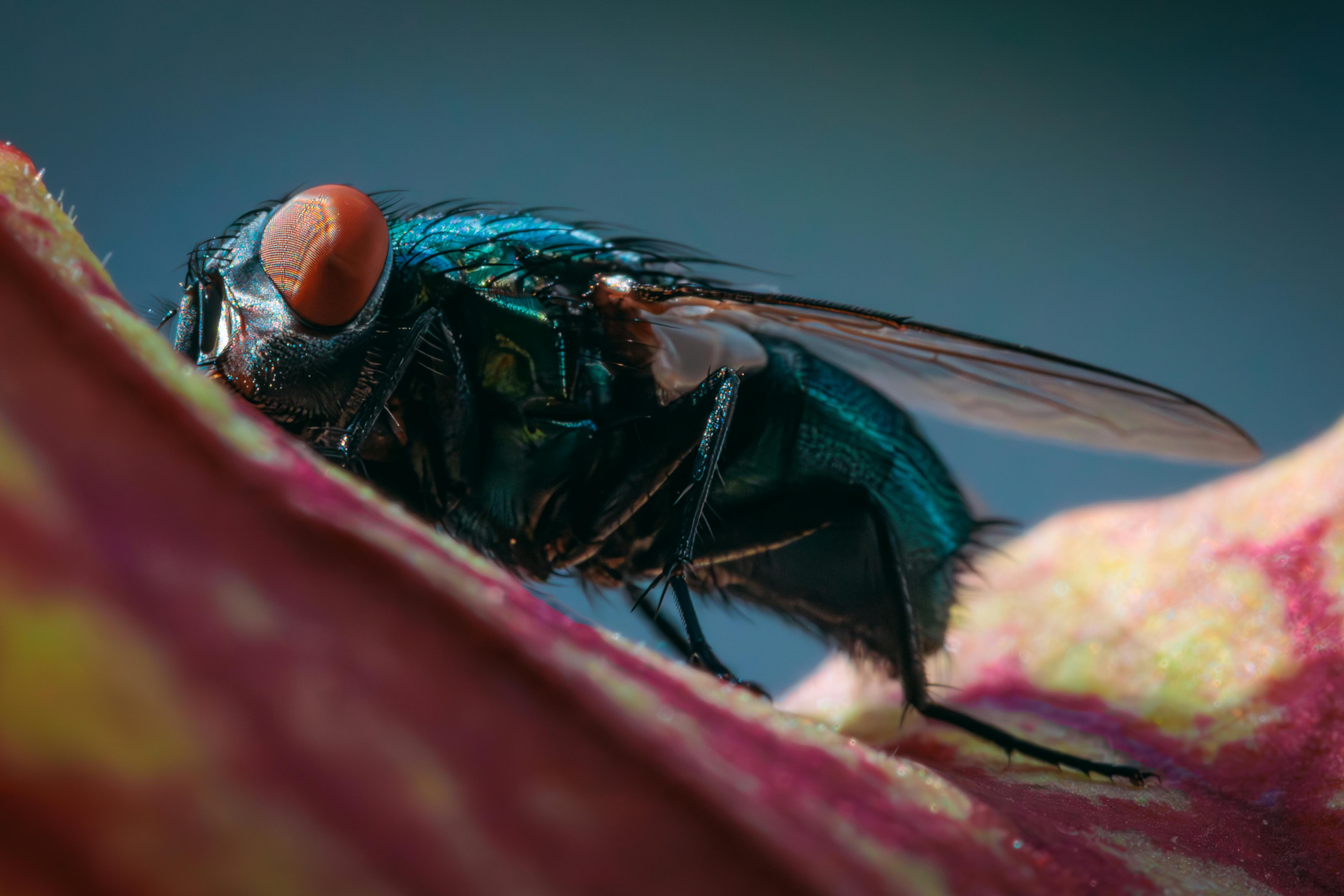
We walk past miracles every day. The intricate veins of a leaf, the compound eye of a fly, the crystalline structure of a snowflake. Macro photography is the key to unlocking this hidden universe. It changes your perspective, forcing you to slow down and look at the world inches at a time.
The Challenge of Depth
The biggest hurdle in macro photography is the razor-thin depth of field. When you are millimeters away from your subject, even at f/11, the area in focus might be as thin as a sheet of paper.
Parallel Plane: Try to keep your camera sensor parallel to the subject. If you are photographing a butterfly wing, angle yourself so the whole wing is on the same flat plane.
Focus Peaking: Use your camera's "Focus Peaking" feature (if available) to see exactly which edges are sharp. Manual focus is often more reliable than autofocus at these distances.
Lighting the Small Stuff
When you get close, your camera lens often blocks the ambient light, casting a shadow on your subject.
The Fix: Use a ring light or a simple LED panel held to the side. For a DIY approach, a white piece of paper can act as a reflector to bounce light back onto a flower or insect.
Subjects Are Everywhere
The best part of macro? You don't need to travel. Your backyard or kitchen is full of subjects.
Water Droplets: Spray water on a CD or a flower petal. The refraction creates stunning patterns.
Textures: Rust, peeling paint, or fabric weaves look like alien landscapes up close.
Food: The bubbles in soda or the texture of a strawberry are fascinating macro subjects.
Conclusion
Macro photography is a meditative practice. It requires stillness and patience. It teaches you to find beauty in the mundane details that everyone else ignores.