The Serenity of Mountain Landscapes
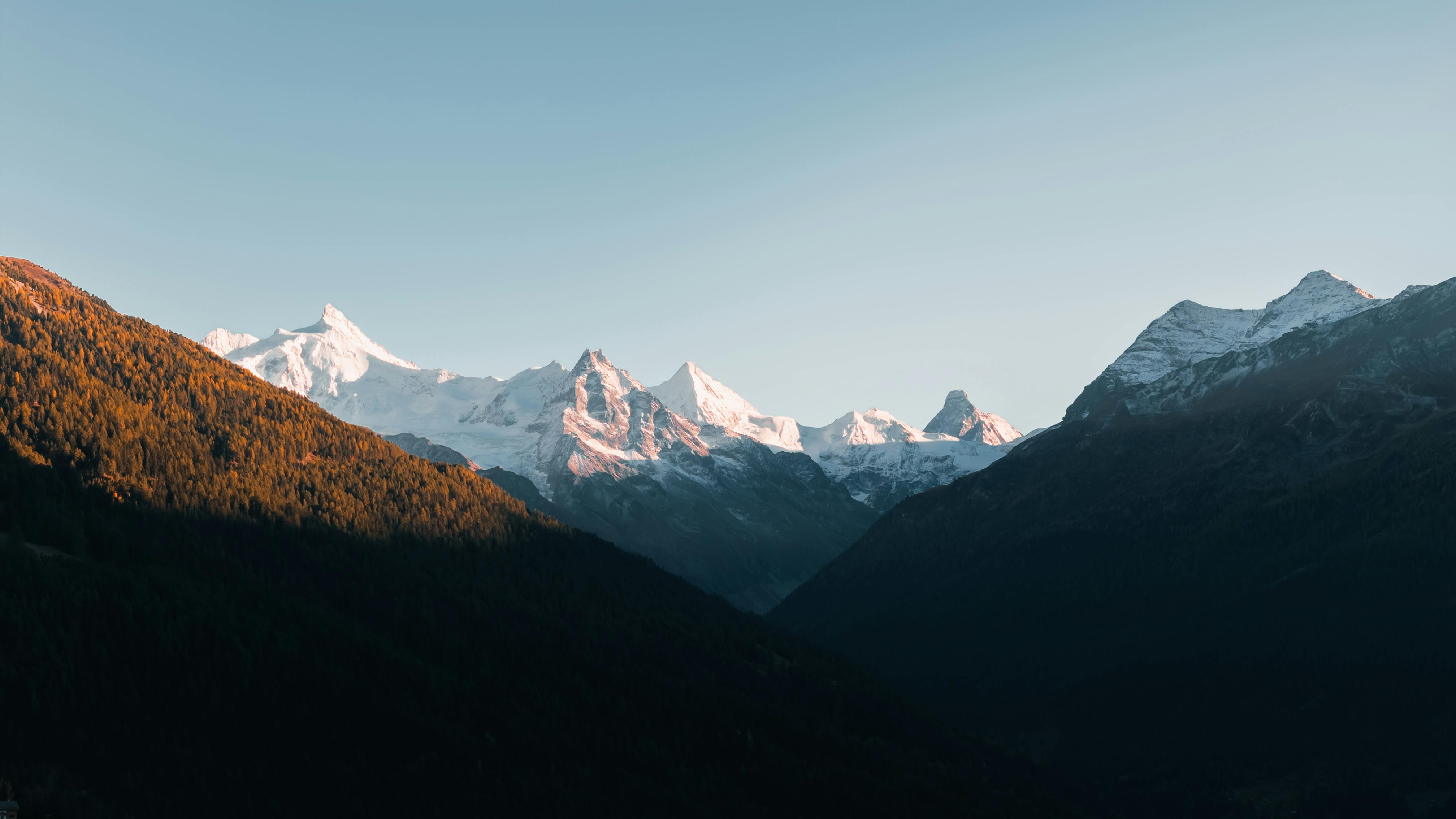
Finding Scale in the Giants
There is something humbling about standing at the foot of a mountain. The sheer scale, the silence, and the rugged beauty evoke a sense of awe. As photographers, our challenge is to capture that feeling and compress it into a small, two-dimensional rectangle.
Often, photos of mountains fall flat. They look small, distant, and unimpressive. Why? Because without context, the brain cannot comprehend the size. Here is how to bring the majesty back into your mountain landscapes.
The Rule of Scale
To show how big a mountain is, you need to show how small everything else is. This is the "Rule of Scale."
Include a Human Element: A tiny hiker in a red jacket standing on a ridge instantly tells the viewer, "That peak is massive."
Foreground Interest: Use a cabin, a tree, or a tent in the foreground. This provides a familiar object for the brain to use as a measuring stick.
Composition: The Three-Layer Cake
A great landscape photo is built in layers. Think of it like a sandwich.
Foreground: Detailed rocks, wildflowers, or a stream at your feet. This anchors the viewer in the scene.
Middle Ground: Valleys, forests, or lower ridges that lead the eye deeper.
Background: The hero shot—the mountain peak itself, looming over everything.
Gear Choice: Telephoto vs. Wide Angle
While wide-angle lenses are the default for landscapes, a telephoto lens (70-200mm) is a secret weapon for mountains.
The Compression Effect: A telephoto lens "compresses" the distance between the background and foreground. It makes the distant peaks appear huge and right behind your subject, creating a dramatic, wall-of-rock look that wide angles simply cannot achieve.
Conclusion
Mountain photography requires patience and often, a bit of hiking. But when the clouds part and the summit is revealed, you have the chance to capture nature’s greatest monuments. Remember: add scale, think in layers, and don't be afraid to zoom in.