Neon Nights: Urban Street Photography
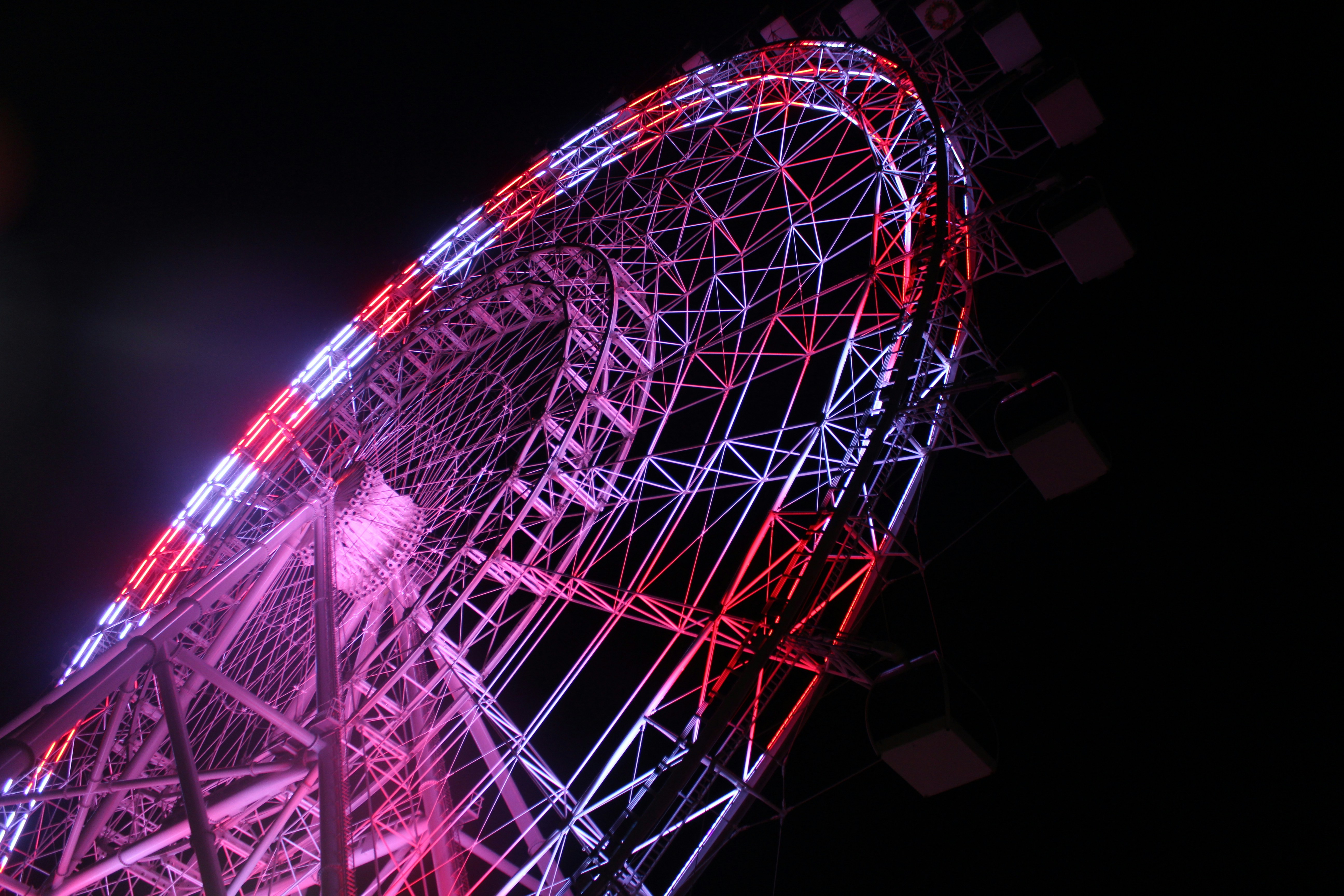
The City That Never Sleeps
When the sun goes down, the city transforms. The flat, grey concrete is replaced by pools of vibrant color—neon pinks, cyan blues, and sodium oranges. Rain turns asphalt into a mirror. For the street photographer, the night is a playground of atmosphere and mood.
Night photography is challenging. It pushes your gear to the limit and requires a steady hand. But the results can be cinematic, reminiscent of Blade Runner or Noir films.
Hunting for Light
At night, you are not hunting for subjects; you are hunting for light sources. Find the light first, then wait for the subject to enter it.
Shop Windows: The glow from a late-night diner or a fashion boutique provides soft, directional light.
Streetlights: These act like spotlights. Position yourself so the light illuminates the face of passersby.
Car Headlights: Use slow shutter speeds to turn traffic into rivers of red and white light trails.
The Technical Balancing Act
Shooting handheld at night is a battle between noise and blur. Here is how to win:
Aperture Priority | f/1.4 – f/2.0 | Let in as much light as possible. Prime lenses are king here. |
Shutter Speed | 1/60th Min | Any slower, and moving people will be blurry ghosts (unless that's the effect you want). |
ISO | 1600 – 6400 | Don't fear the grain. Modern cameras handle high ISO well, and a grainy sharp photo is better than a smooth blurry one. |
Editing for Mood
Night photography often benefits from "Split Toning" in post-processing. Push teals into the shadows and oranges into the highlights to create that popular "teal and orange" cinematic look. It complements the artificial city lights perfectly.
Conclusion
Don't put your camera away when the sun sets. The night offers a completely different emotional palette. Embrace the high contrast, the deep shadows, and the neon glow.