Wildlife Photography Patience
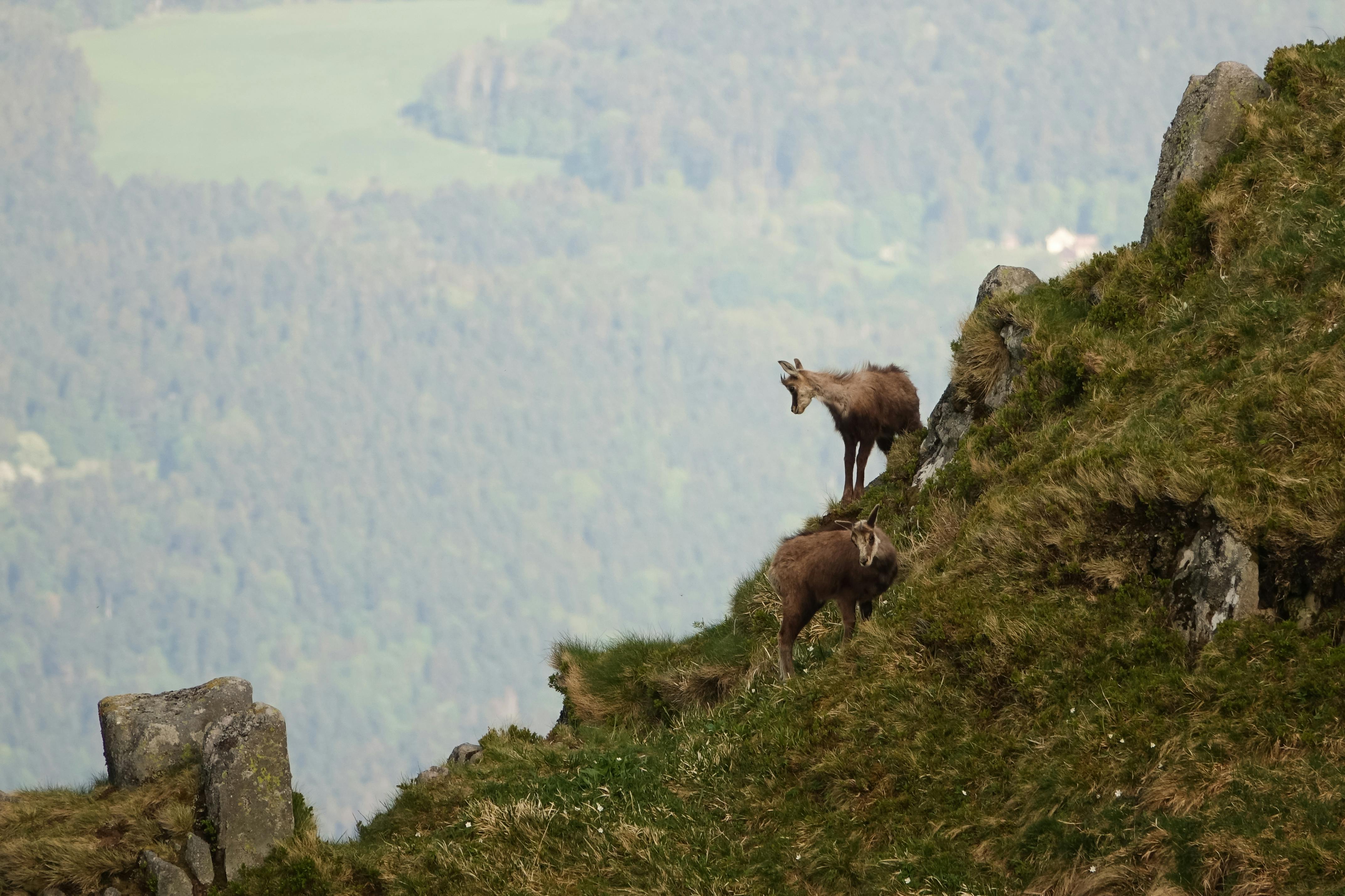
The Waiting Game
Wildlife photography is 99% boredom and 1% pure adrenaline. You hike for miles, sit in the mud for hours, fighting off mosquitoes, waiting for a specific bird or deer. And then—snap—it happens in a split second.
It is the most demanding genre of photography, requiring the reflexes of a sports photographer and the patience of a monk.
Understanding Behavior
The best gear in the world won't help if you can't find the animals. The best wildlife photographers are naturalists first.
Research: Know your subject. When are they active? Dawn or dusk? What do they eat?
Body Language: Learn to read the signs. A bird puffing its feathers might be about to take flight. A deer freezing its ears might have heard a predator.
Respect: Never stress the animal for a shot. Use long lenses to keep your distance. If your presence changes their behavior, you are too close.
Technical Settings for Action
Animals don't pose. You need to be ready to freeze motion instantly.
Shutter Speed | 1/1000s or faster | Essential for birds in flight or running animals. |
Focus Mode | Continuous (AI-Servo) | Tells the camera to keep tracking focus as long as you hold the button. |
Burst Mode | High | Fire a rapid sequence of shots. The difference between a good shot and a great one is often milliseconds (e.g., the position of the wings). |
Eye-Level Perspective
Don't shoot down on animals from your standing height. It makes them look small and detached.
Get Dirty: Lay on the ground. getting to the animal's eye level creates an intimate connection. It also blurs the foreground and background, isolating the subject beautifully.
Conclusion
Wildlife photography connects you to the natural world in a primal way. It’s not just about the photo; it’s about the privilege of witnessing a wild creature in its home. Patience is the price of admission.