Minimalism in Photography
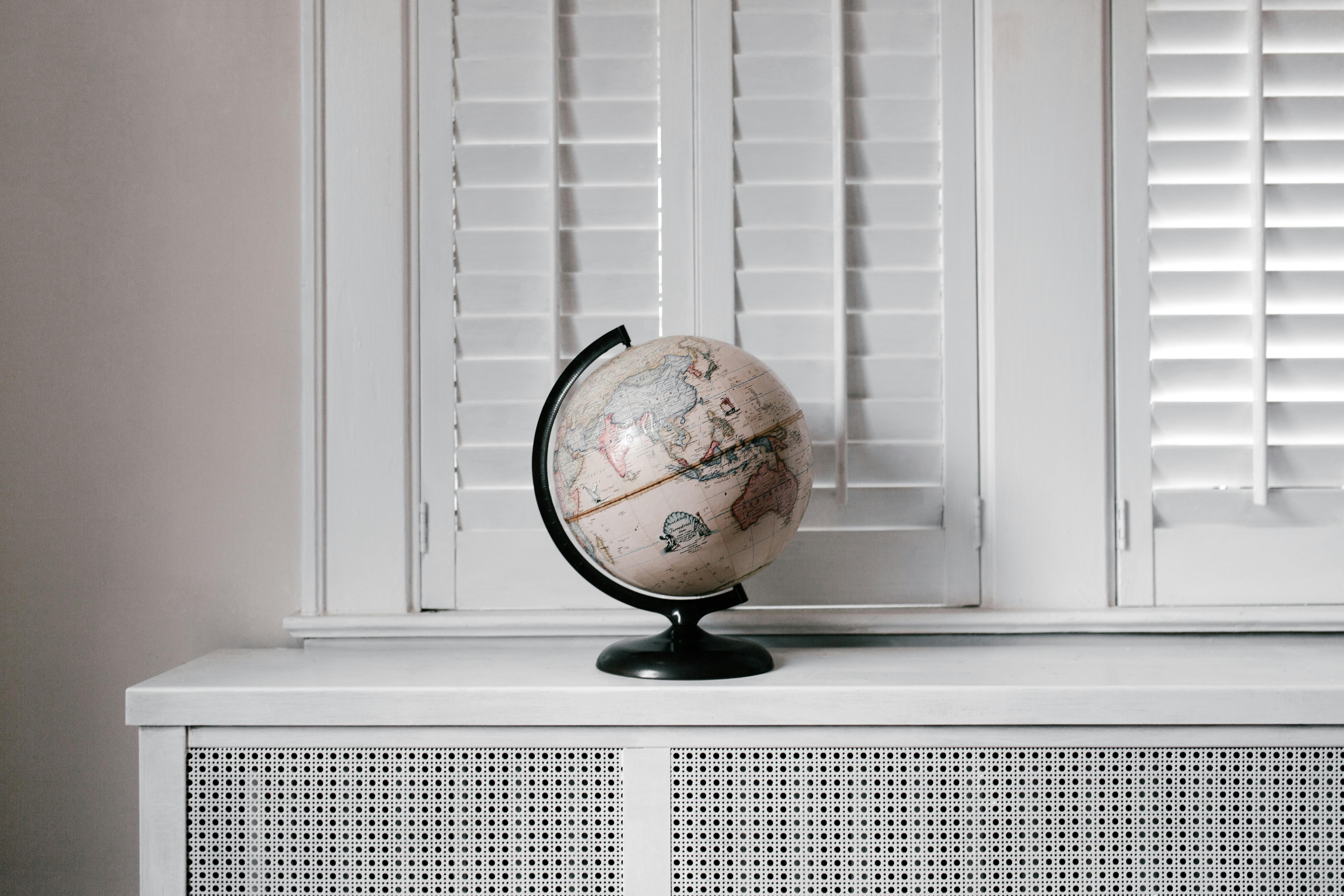
The Art of Subtraction
In a loud, cluttered world, minimalism is a visual breath of fresh air. It is the art of removing everything that isn't essential to the story. It challenges the photographer to be bold, to trust that a single subject, a single line, or a single color is enough.
Minimalism isn't about your photo being "empty"; it's about your subject being undisturbed.
The Power of Negative Space
Negative space is the area around your subject. In minimalist photography, this space is an active element of the composition.
Isolation: A vast blue sky or a white snowy field isolates the subject (a lone tree, a bird), giving it monumental importance.
Scale: Tiny subject + Huge negative space = A feeling of solitude, vulnerability, or grandeur.
Color and Geometry
With fewer elements, the remaining elements must be strong.
Geometry: Look for strong lines, perfect circles, or repeating squares. Architecture is a great place to find this.
Color Palettes: Stick to a limited palette. A monochromatic image (all shades of blue) or a complementary pair (orange wall, blue sky) works best. Too many colors break the minimalist spell.
Compositional Brevity
Ask yourself before you click: "What can I remove?"
Is that trash can in the corner necessary? Frame it out.
Is the background busy? Open your aperture or move the subject.
Is the texture distracting? Overexpose slightly to blow out the white background.
Conclusion
Minimalism creates a sense of calm and order. It invites the viewer to pause and contemplate. It proves the old adage: Less is truly more.